 FREESHIP FOR ALL ORDERS FROM 100 USD
Devilman Crybaby is widely regarded as one of the most emotionally devastating and philosophically complex anime of modern times. Directed by Masaaki Yuasa and adapted from Go Nagai’s classic Devilman, the series culminates in an ending that is bleak, symbolic, and deliberately unsettling. Rather than offering closure in a traditional sense, the finale forces viewers to confront themes of love, violence, human nature, and cosmic futility. Understanding the meaning behind Devilman Crybaby’s ending requires looking beyond surface-level tragedy and into its deeper allegorical intent.
The Final Battle and a Silent World
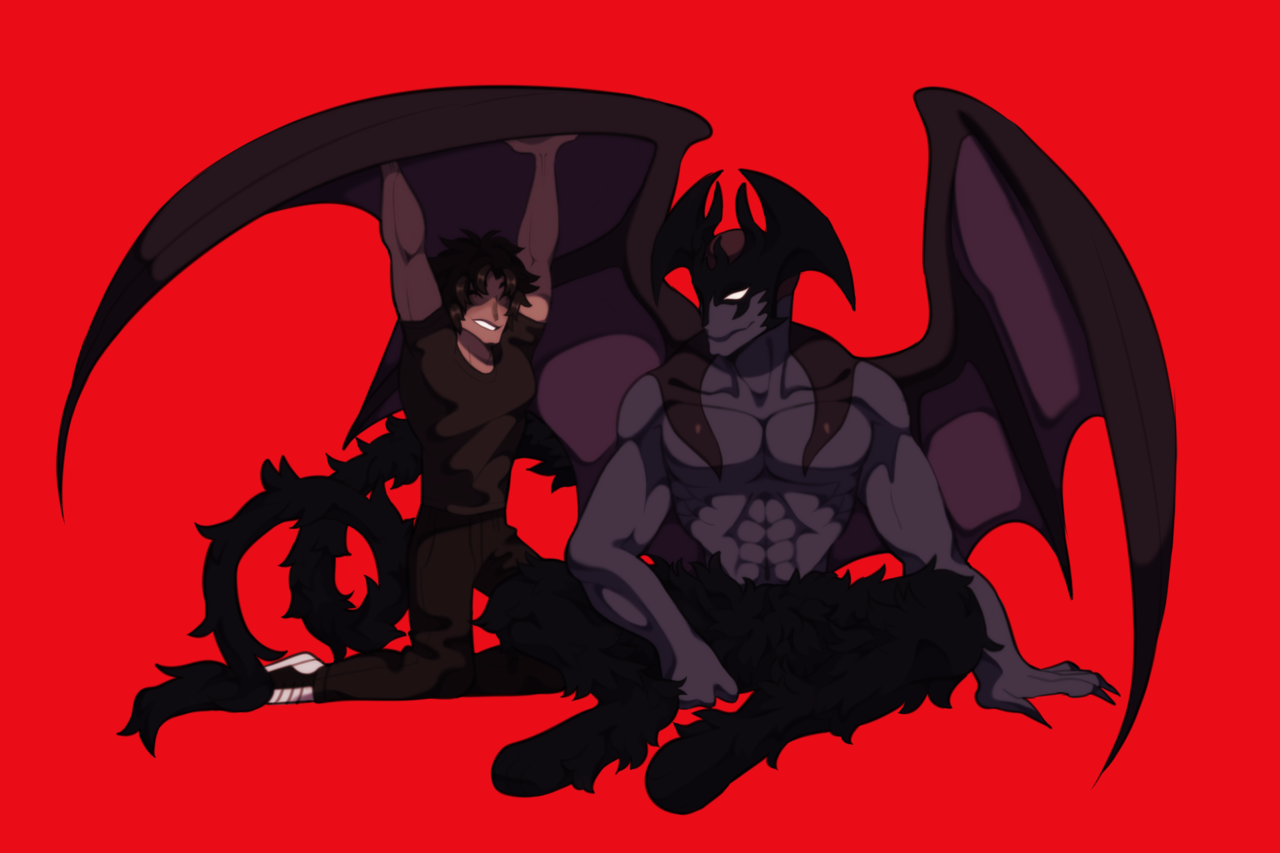
The anime concludes with the ultimate confrontation between Akira Fudo (Devilman) and Ryo Asuka, revealed to be Satan. After humanity has been completely annihilated, the world is reduced to a barren wasteland. Akira, torn apart during the final battle, lies lifeless beside Ryo, who sits silently, holding Akira’s body and attempting to speak to him.
This moment is critical. For the first time, Ryo truly understands love and loss—but it comes too late. Akira, the one being who embodied empathy and compassion, is gone. The silence emphasizes the pointlessness of Ryo’s realization and underscores one of the anime’s central messages: love recognized only after destruction is meaningless.

Satan’s Eternal Punishment
Shortly after Akira’s death, angels descend from the heavens, signaling the reset of the world. This cyclical destruction is part of God’s punishment for Satan’s rebellion. Every time Satan regains memories of his past and forms an emotional bond—this time with Akira—the world is erased, and the cycle begins again.
This reveals the cruel irony of Devilman Crybaby. Satan is not punished through physical suffering alone, but through eternal repetition. Ryo is condemned to repeatedly experience love, destroy it through misunderstanding and violence, and then remember everything just before losing it again. The ending is not just tragic—it is existentially cruel.
Humanity as the True Crybaby
Despite the focus on demons and cosmic forces, Devilman Crybaby ultimately places humanity at the center of its critique. Throughout the series, humans succumb to fear, paranoia, and mob violence far more readily than the demons themselves. The ending reinforces this idea: humanity destroys itself long before demons finish the job.
Akira’s role as a “crybaby” is symbolic. His ability to cry represents empathy, vulnerability, and moral awareness—qualities that humanity abandons as fear takes over. When Akira dies, it signifies not only the loss of love for Ryo, but the complete extinction of compassion in the world.
Love Versus Power
At its core, the ending of Devilman Crybaby contrasts love and power. Ryo chooses domination, logic, and control, believing emotions to be weaknesses. Akira, in contrast, believes love is what gives life meaning. The anime’s conclusion makes a definitive statement: power without love leads only to emptiness, and understanding without empathy arrives too late to save anything.
Why the Ending Resonates So Deeply
The reason Devilman Crybaby’s ending remains so impactful is that it refuses comfort. There is no redemption, no reversal, and no clear villain to blame. Instead, viewers are left with an uncomfortable mirror reflecting real-world cycles of hatred, fear, and missed understanding.
👉 If you’re a true Devilman Crybaby fan and want to celebrate your passion for this unforgettable series, explore officially inspired apparel, collectibles, and fan-favorite designs at Devilman Crybaby Merch: devilmancrybabymerch.com. Discover items that let you carry the spirit of Devilman Crybaby beyond the screen and into your everyday life.
